I bet you've all heard many, many people talk about how hip-hop "just isn't the same anymore," and while, with the limited knowledge I have on the subject, I agree, I feel like that's such a broad statement that can be compressed into one main idea: Hip-hop's roots in cultural hegemony have changed.
I think it's pretty fair to say that hip-hop has noticeably gone from a generally counter-hegemonic genre of music to an extremely hegemonic genre within the last few decades. I'm aware there are artists or, more specifically, songs that still hold true to the counter-hegemonic messages that were so popular when the genre really picked up on talking about social issues in the 80's (political hip-hop, sub-genre, truly inspiring stuff). Now some of the most popular songs by hip-hop artists of this generation completely oppose the starting point.
The focus on social and political issues and reform was a huge part of what made hip-hop what it was. Artists questioned everything with heavy lyrics loaded with clear messages. It was used as an outlet for those feeling and being oppressed; they called for action with their music and others sharing their feelings responded. They made points that sadly still ring true today.
 One of my personal favorite examples of this are these lyrics from Public Enemy's "Welcome to the Terrordome,"
"How to fight the power, cannot run and hide
But it shouldn't be suicide."
Here, Public Enemy discuss the importance of fighting for their rights and going against the grain in an attempt to better the social situation but they also address the fact that doing so was basically a suicide mission, which it shouldn't be. No person or group of people fighting for their rights should be targeted at all, let alone targeted so much that it was common knowledge that the possibility of getting killed in doing so was that high. These are messages that still hold true 27 years later.
Fast forward those 27 years and enter the realm of 2017 hip-hop. As with most originally counter-hegemonic things, times change and so are the way these counter-hegemonic things are perceived. We live in a world where anything that goes against social norms can somehow find a home in the cozy little world of cultural hegemony. The genre has evolved into something so mainstream it can be heard in almost every store and on almost every radio station. Like I said earlier, there are artists and songs that still hold true to the beginnings of the genre, and with the current political and social climate perhaps we'll see an increase in mainstream political hip-hop. Despite that, right now, the only mainstream hip-hop that graces the airwaves are songs that hypersexualize women, put more importance on money and material items than they ever could on topics of substance such as the evident racial tensions not only in cities but nationwide.
When you take a super mainstream Drake song like "Started From The Bottom," with such repetitive lyrics like:
"Started from the bottom now we're here
Started from the bottom now my whole team fucking here
Started from the bottom now we're here
Started from the bottom now the whole team here, nigga
Started from the bottom now we're here
Started from the bottom now the whole team here, nigga
Started from the bottom now we're here
Started from the bottom now the whole team fucking here"
that promotes such hegemonic ideologies like machismo, rags to riches, and more with a music video containing items worth more than everything I will own in my entire life combined and compare it to one that isn't as commonly heard on regular radio or by people that may not be that pre-exposed to any kind of hip-hop like "6PM In New York," which has some hegemonic ideologies but much more heavy lyrics like:
"And I heard someone say something that stuck with me a lot
Bout how we need protection from those protectin' the block
Nobody lookin' out for nobody
Maybe we should try and help somebody or be somebody
Instead of bein' somebody that makes the news
So everybody can tweet about it
And then they start to RIP about it
And four weeks later nobody even speaks about it"
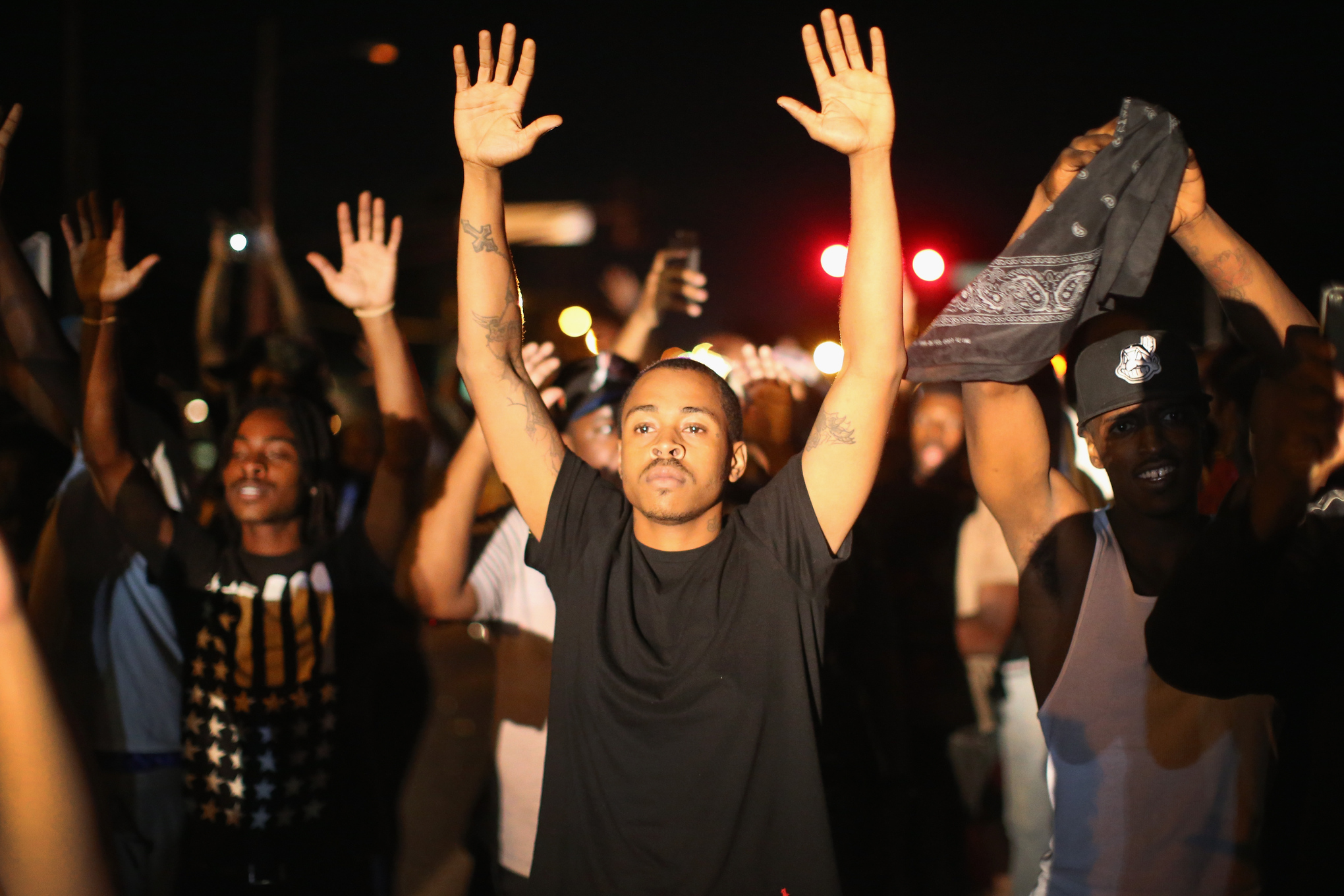 it makes almost zero sense as to why one is played more than the other. Is it because lyrically, "6PM In New York" is too "#edgy" for mainstream radio? Yes, because police brutality and race on race crime are two things no one has ever heard of; it's not like it's been spoken about almost constantly for years on almost every mainstream news channel...OH WAIT. Educate the masses and let the music with social and political messages be heard. If you're going to try and normalize a genre of music that was never meant to be mainstream, at least do it by bringing back the idea that maybe the people with opinions might be on to something. That maybe a call to action might create a response, might create a change.
Julissa G

No comments:
Post a Comment